
WiFi isn't magic: it's infrastructure
In the latest edition of CEDIA’s Home Tech Pro magazine there’s an article that talks about the intersection of technology and interior design.
In the article, interior designers and architects based across the world share their thoughts on the integration of technology in aesthetic spaces to enhance their look, feel, and functionality. That relies on design and tech teams collaborating from the very beginning of a project to get all of the above right.
One of the statements we agree with most in the article comes from Toni Sabatino, a designer from New York. When talking about the invisibility of technology in a home, she said: ‘People think WiFi is magic, but it's infrastructure'.
Your WiFi will only work as well as your infrastructure allows
Whether we like it or not, most of us use the internet every day in one way or another. Normally, that’s over WiFi, and we don’t even think about how it gets to our devices.
What most of us don’t know is that you can have the best WiFi points on the market in your space, but they’ll only work as well as your network infrastructure allows.
A fundamental test of the usefulness of a space is how well its network infrastructure has been designed, particularly when it comes to smart homes and automated buildings. A building might be beautiful, but what’s the point if it’s frustrating to be in?
WiFi sits on a network. As does a lot of other technology in your home. That’s your TVs, and when they’re automated, things like your lighting, heating, and shading. Your infrastructure is what creates the ‘magic’ of your technology working as it should (it’s also why we prefer wired projects rather than retrofits).
We don’t remember when WiFi works effectively, but we do remember if a call drops out, or the signal doesn’t reach every part of a space. That’s even more frustrating in a hotel room we’re only in for a short length of time and don’t know the idiosyncrasies of.
As contemporary people, we have expectations that the WiFi wherever we are will ‘just work’ - ‘magic’.
Back-end reliability for invisible installations
There’s been an expectation in high-end residential projects for some time that technology should be essentially invisible. Over the years, as technology has advanced, that expectation has filtered down to builds of any type or budget.
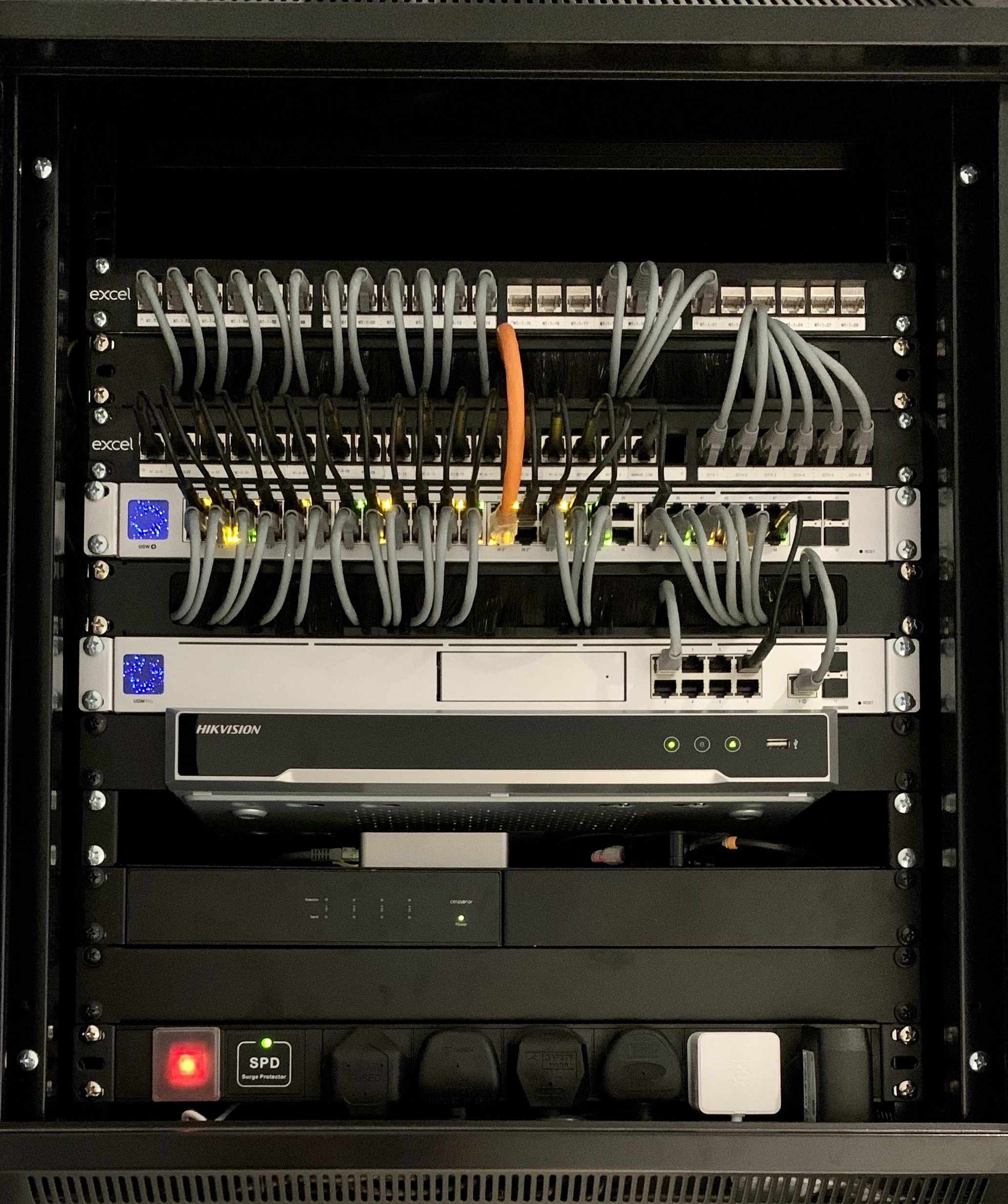
Network rack
The infrastructure for your WiFi can be as simple as a router, which is plugged into the wall and creates the wireless internet connection. But your network can be more reliable than that, and less visible.
At Epitome Living we create reliable whole-home network solutions. A network rack looks like the image to the left, and it sits in your communications cupboard or plant room alongside the controls for the other automation in your home. Once it’s installed, you won’t need to touch it.
A centralised network rack in a considered position in a building mitigates the need for multiple pieces of hardware (like routers for WiFi) to be dispersed around your space. It’s a much neater solution, and greatly increases the reliability of your internet connections in both a wired and wireless capacity.
Examples
You can read about how we layered our smart technology on top of network installs at projects like Lakeland Energy Home or T3 Conference Centre.
As Toni goes on to say in the article: “A well-planned backbone is what makes automation truly invisible.”
So whether you're building a home for your family or a one-hundred-plus-room-hotel for visitors to your city, your building's network matters.
It's the difference between the technology in the space working as it's supposed to or not (remember that includes TVs and mobile phones before we even consider automation).
If your building is beautiful, but not functional, aesthetics feel like style over substance. You have to get the backbone right first in contemporary builds so the technology we expect to ‘just work’ does in fact just work.
We’re grateful for architects and designers who see the value of smart technology for making spaces the best they can be.
Read more on pages 34 to 37 in the Spring 2026 edition of Home Tech Pro or email us at info@epitomeliving.com for more on installing a reliable network backbone in your building.