
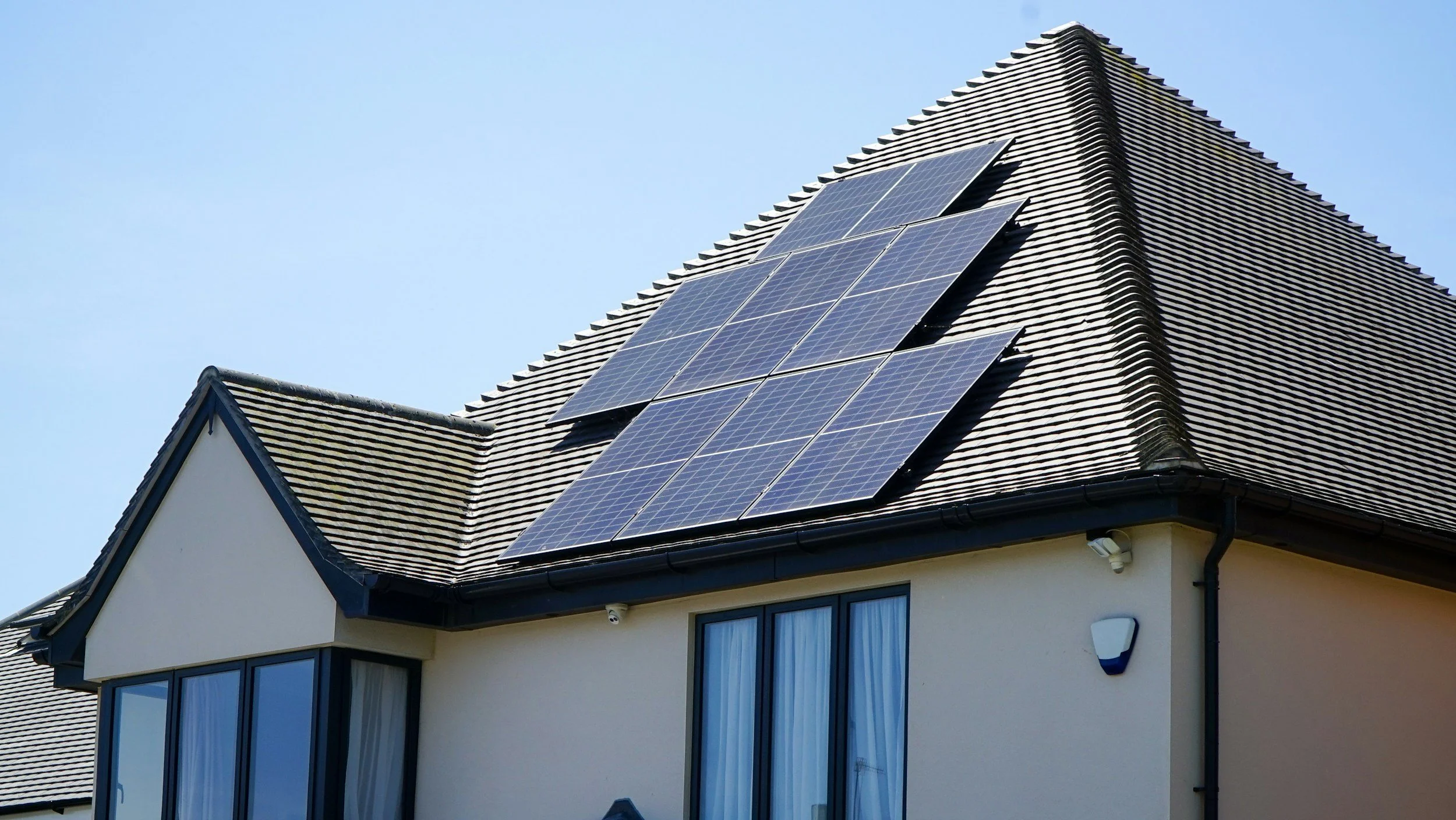
The Future Homes and Buildings Standards policy comes into force in England in 2027, introducing higher energy-efficiency requirements for new homes and non-domestic buildings.
The goal is to see a 75% reduction in carbon emissions compared to homes built in 2013. This goal will be met through the implementation of low carbon heating and high levels of energy efficiency in new buildings. Homes and commercial properties constructed to the new standards shouldn’t require retrofitting to become zero carbon in use as the electricity grid decarbonises.
To meet the new standards, buildings will need a combination of high-performance building fabric, heat pumps or heat networks, more efficient lighting and heat recovery, and, for most building types, solar PV. The updated guidance also places increased emphasis on the efficiency, commissioning, and control of fixed building services.
The challenge for developers is that these technologies can’t work to their full potential if they operate independently. Unifying systems through a single automation system solution brings heating, cooling, ventilation, lighting, shading, solar PV, and energy management together, allowing buildings to respond intelligently to occupancy, demand, and available energy, rather than relying on a collection of standalone controls.
Why is this relevant to Northern Ireland?
Northern Ireland is behind when it comes to development that seeks to do better for both people and the planet. People tend to say we’re five or ten years behind England when it comes to change, and no doubt we’ll be the same for building standards, given that most households in Northern Ireland are still heated with oil boilers.
So whilst Northern Irish property developers won’t immediately be held accountable to the new Future Home and Buildings Standards like developers in England will, patterns suggest that these standards will roll out here in the years ahead.
To get ahead, developers in Northern Ireland should be considering a move towards better building practices now. With the planet heating up, and energy costing an arm and a leg, it also makes sense that climate and pocket-conscious developers should be working towards implementing at least some of the new standards sooner rather than later.
The introduction of the Future Homes and Buildings Standards is possibly the most significant change to home building in England ever. We think that’s a good thing. And in our opinion, developers in Northern Ireland need to start thinking about energy efficiency and building standards early, and learn fast.
How can developers in NI learn, and where should they begin?
As more technologies are added to homes, there’s a risk of creating a collection of standalone systems that operate independently. Heating, cooling, ventilation, lighting, shading and renewable energy may all be efficient in isolation, but buildings perform best when they work harmoniously.
Integration of standalone systems is key to achieving the best possible outcomes for both developers and customers, making new build homes that are ready to use, comfortable, and easy to operate.
Loxone, a smart home technology company that’s on the forefront of helping developers in England work through building standards changes, believes that there’s a possible net uplift in comparable asking price of 3% to 5% on new build homes with integrated technology systems.
If this is the case, developers in Northern Ireland offering these as standard will be the first to benefit from customers who are willing to pay more upfront for homes to reduce their energy costs over time. That’s a win for both the developer, who’s rewarded immediately, and the customer, who benefits from energy savings for years to come and an easier life right after moving in.
In a time where energy costs are in the news every day, consumers are looking for ways to reduce spending and get more for their money. For those with the immediate disposable income to invest in their future finances, the rewards are high. Creating the infrastructure to add additional smart technology systems like lighting and audio make new build homes even more appealing to discerning potential homeowners.
Hear more from Loxone country manager Lee Purvis below:
What next?
We’ve been working closely with Loxone as they help developers in England navigate policy changes and bring technology integration to their builds. We’re more than happy to share their knowledge with developers across Northern Ireland. As a Loxone Partner, we’re also equipped to deliver the same integration system that developers in England are opting for through the brand.
An additional benefit to working with us is that we’re CEDIA Assured Smart Home assessors, and can ensure that developers adding smart home infrastructure to their builds - either in conjunction with energy efficiency measures or separate to - are meeting the necessary requirements to call their builds smart homes.
There’s a world of information to wade through when it comes to building policy changes, particularly when they seem like they aren’t relevant right now. But before we know it, the same standards will have made their way across the Irish sea and developers will be being held accountable before they know it.
We’re looking for development partners who want to get ahead. Contact us today at info@epitomeliving.com if that’s you. Together we strengthen the new build development market in Northern Ireland, showing what’s possible with intelligent building systems and connected, forward thinking.